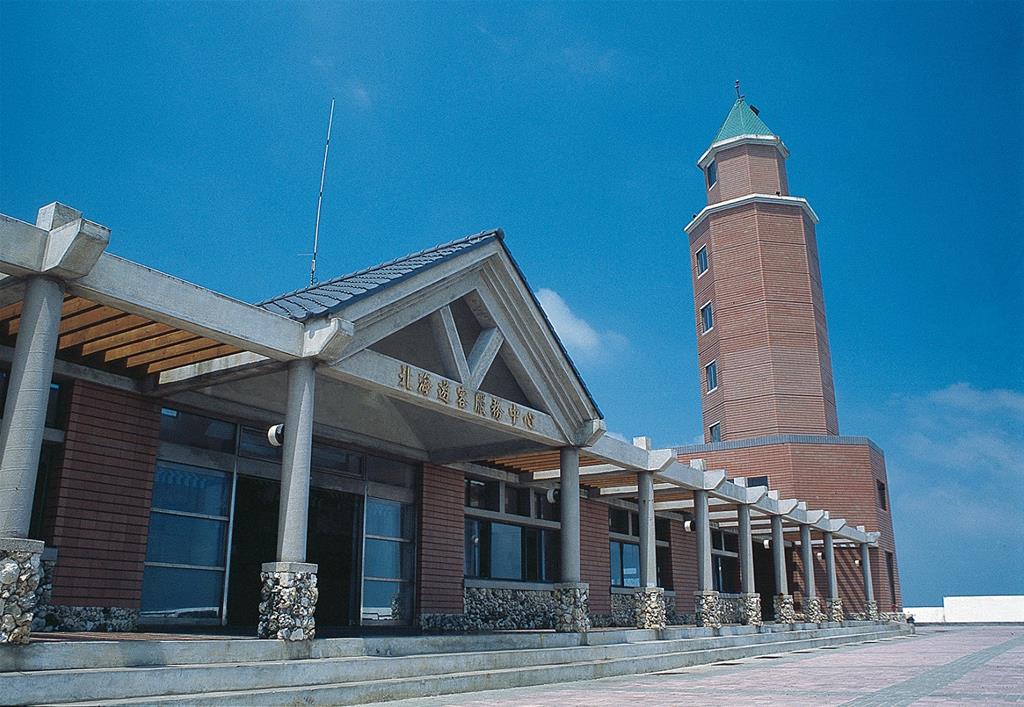
North Coast Visitor Center Introduction
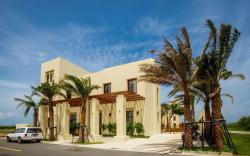
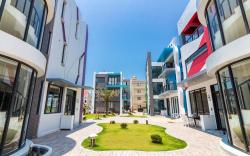
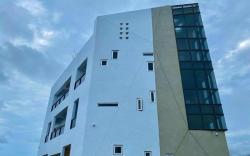
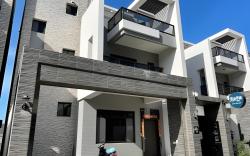
The North Sea Visitor Center, located in Chik'an Village, provides travel consultations, yacht services, waiting rooms, a shop, a restaurant, and other services. To reach the various islands in the North Sea, visitors must purchase boat tickets at this center and take a ferry from Chik'an Pier to Ji Bei Island, Xianjiao Island, Mu Dou Island, and other islands. ***As of October 2023, the center is temporarily closed for reconstruction, and services have been relocated to the Hou Liao Visitor Center. Hou Liao Visitor Center service phone: 06-9933437.*** Chik'an is the hub for marine leisure activities, where nearby islands offer experiences like snorkeling, appreciating the underwater scenery of coral reefs, and water scooter activities. Chik'an Pier is also an important port for catching fragum fish, with the peak season being from April to September, during which the annual Chik'an Fragum Festival is held, allowing participation in fragum fishing experiences. There are several must-visit attractions in Chik'an. The first is the Long De Temple, dedicated to the deity Nezha, which is a significant center of faith for the residents of Chik'an Village, attracting many worshippers and tales about the deity’s legendary exploits. The second attraction is an ancient house located in front of the North Sea Visitor Center, featuring a century-old well in its courtyard connected to an air raid shelter, both of which are remarkably well-preserved. The third attraction is a three-sided stone guardian placed to the south of the North Sea Visitor Center, which is quite rare. It is said that the Dog Head Rock above was broken, angering the local deity. Subsequently, villagers requested that the offender repent to the deity and repair the Dog Head Rock, and they established the three-sided stone guardian below to suppress malevolent energy. Since then, the three-sided stone guardian has faced the strong northeast monsoon, protecting the village's safety.