Ban Tiao Kiln Jiao Zhi Jia Dian Craft Park Introduction
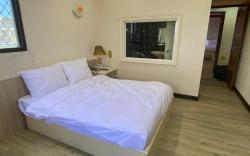
Ban Tao Kiln is located in Bantou Village, Xinguang Township, and is the first factory in the country to produce temple mosaic and Takou pottery using tunnel kiln technology. Later, the Ban Tao Kiln Cultural Museum was established to promote the culture of Takou pottery, becoming a unique garden of Takou pottery in Taiwan. The landscape of Ban Tao Kiln combines craftsmanship with scenic technology, featuring a blend of classical Chinese garden and Japanese architecture, creating a very beautiful view. Visitors can experience DIY Takou pottery mosaics, and enjoy making mosaics, ceramic panel paintings, and painting plates and bowls. The completed painted plates and bowls, fired in the tunnel kiln, can also be mailed to visitors. There is also an outdoor café, providing homestay accommodation and afternoon tea. At Ban Tao Kiln, visitors can learn about the process of creating a temple, understand the making of Takou pottery, appreciate the unique landscapes, and relax, experiencing the cultural feast sparked by the collision of tradition and modernity, making it worth a visit. Visiting the Ban Tao Kiln Takou Mosaic Craft Park in Xinguang, visitors can find many interesting mosaic pieces and Takou pottery works. Not only can they look, but they can even ride on the back of a mosaic bull, imagining themselves as farmers of that time, deeply experiencing what it feels like to ride on a bull; they can also choose a favorite shaped mosaic chair to rest on, which adds to the fun. In order to continue the art of Takou mosaic, the founders Chen Zhongzheng and his wife established Ban Tao Kiln, transforming the former "Yichang Pottery Factory" into today's tourist factory, integrating Takou mosaic craftsmanship, outdoor gardens, and creating a cultural leisure park through creative experiential relaxation. The park features colorful mosaic tiles that create many amusing shaped figures and artistic decorations, incorporating ceramic techniques to highlight the local cultural characteristics of Xinguang Township. Currently, the park is generally divided into five areas: outdoor garden, craft sales area, experience workshop, Ban Tao House restaurant, and Takou Mosaic Craft Museum. By appreciating craftsmanship while enjoying afternoon tea, visitors can also engage in on-site ceramic plate painting and DIY mosaic crafting, making the diverse recreational planning of Ban Tao Kiln Takou Mosaic Craft Park a place for both active and relaxing experiences, accompanying you through a leisurely and pleasant vacation.