Xinyu Coastal Botanical Garden Introduction
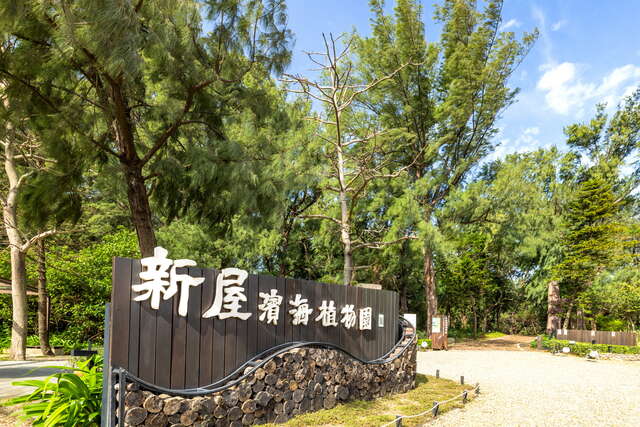
From Snow Forest to Emerald: The Transformation of Xinyu Coastal Botanical Garden Xinyu Coastal Botanical Garden was formerly the Yong'an Snow Forest Recreational Area, which had been closed for over 20 years due to poor management. However, this 6-hectare windbreak forest did not fall into ruin; instead, it has transformed into a paradise for various plants and animals. After a redesign and ecological restoration, it was reborn in 2020 as the first coastal botanical garden in Taoyuan, merging nature and culture into a new green space. Entering the Forest Classroom: Opening the Door to Nature Designed with low disturbance and a sustainable concept free of artificial light sources, Xinyu Coastal Botanical Garden minimizes interference with nocturnal animals. The first phase completed the entrance image and scenic restrooms to provide basic facilities for visitors. The second phase included an outdoor forest classroom, picnic area, and a 1,000-meter-long ecological trail, making it a recommended destination for families and environmental education. Biodiversity: The Pride of Coastal Flora and Fauna Do not underestimate this 6-hectare area; over 250 species of plants and animals reside here, including 12 species and subspecies of birds endemic to Taiwan, such as the Black-browed Reed Warbler and the Taiwan Red-headed Barbets, as well as 5 species of protected birds, including the adorable and rare Little Tern. Mammals are also present, with Taiwan's Red-bellied Squirrels and Striped Skunks living freely here. The variety of plants is impressive, from the hairy-tropic ginger to the commonly used Taro leaves, along with the wild vegetable known as "Taiwan Ice Flower" or Sea Purslane and the leaves often used for zongzi (sticky rice dumplings). The diversity of coastal botanical life is showcased here! Strolling Along the Coastline: A Walk in the Forest of Wind Xinyu Coastal Botanical Garden is blessed with a prime geographical location, bordered by private farms to the east, facing the coastal breakwater to the west, adjoining Shezi Creek to the north, and accompanied by the South Drain to the south. This unique environment provides plants with distinctive growth conditions and allows visitors to stroll from the forest trail to the coastal scenery, experiencing the layers of nature's transformations. The gentle breeze rustles through the treetops, and sunlight dapples through the shadows of the trees, making each step soothing. The garden supports four main functions: education, conservation, research, and recreation, and will continue to develop into an ecological area that harmonizes species preservation, academic research, and coastal plant exhibitions in the future.